


Battery Technologies Compared: Lithium, Lead and Solid-State
Introduction: The Right Battery for Every Application
Battery storage is the heart of any self-sufficient solar system. But which technology is the right choice? In this article, we compare the most important battery technologies for the solar sector:
- Lithium-Ion Batteries (LIB) – The current standard
- Lead-Acid Batteries (LAB) – The proven classic
- Solid-State Batteries (SSB) – The future technology
Lithium-Ion Batteries (LIB)
Lithium-ion batteries are indispensable for today's technology. Whether smartphone, electric toothbrush or electric vehicle – this battery type is widespread and increasingly displacing older technologies.
Important Distinction
Not all lithium batteries are the same – the distinction between lithium-ion and lithium-metal is fundamental:
| Type | Structure | Rechargeable |
|---|---|---|
| Lithium-Ion | Lithium oxides in electrodes | Yes |
| Lithium-Metal | Pure metallic lithium | No |
Cathode Types Compared
There are various cathode compositions with different properties:
| Type | Full Name | Main Properties |
|---|---|---|
| LFP | Lithium Iron Phosphate | Safe, durable, eco-friendly |
| NMC | Nickel Manganese Cobalt | High energy density |
| LCO | Lithium Cobalt | High energy density, less safe |
LFP vs. NMC vs. LCO
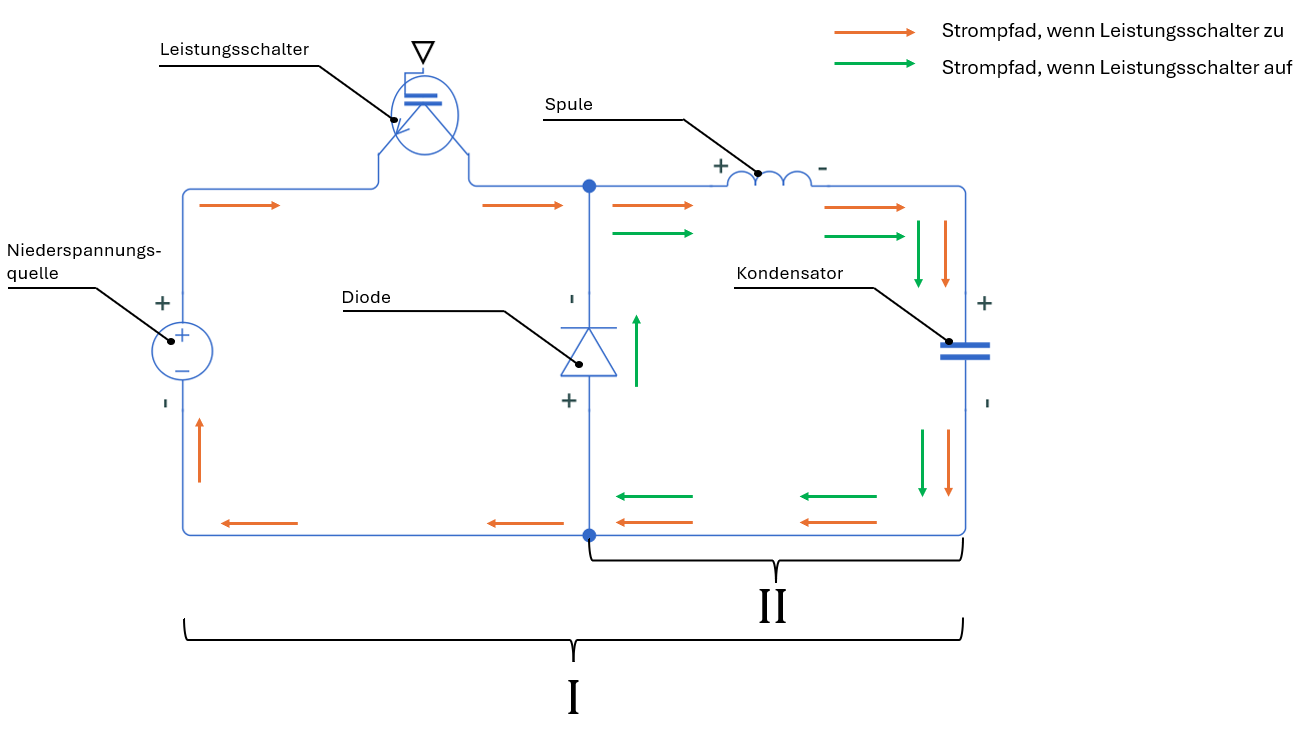
In direct comparison, the different strengths and weaknesses of the cathode types become apparent:
| Criterion | LFP | NMC | LCO |
|---|---|---|---|
| Energy Density | ★★☆ | ★★★ | ★★★ |
| Power Output | ★★★ | ★★☆ | ★☆☆ |
| Safety | ★★★ | ★★☆ | ★☆☆ |
| Lifespan | ★★★ | ★★☆ | ★☆☆ |
| Cost | ★★☆ | ★★☆ | ★★☆ |
Recommendation for solar: LFP cells offer the best compromise of safety, longevity and sustainability.
Advantages of Lithium-Ion
Lithium-ion batteries have become the standard for good reasons:
| Advantage | Explanation |
|---|---|
| High energy density | More storage in a small space |
| High efficiency | 90–95% efficiency |
| Long lifespan | 3,000–6,000 charge cycles (LFP) |
| No memory effect | Partial charges are unproblematic |
| Maintenance-free | No acid maintenance required |
| Deep discharge | 80–90% usable capacity |
Disadvantages of Lithium-Ion
Despite their advantages, lithium-ion batteries also have some weak points:
| Disadvantage | Explanation |
|---|---|
| Higher purchase costs | ~139 $/kWh (2024) |
| Thermal management | Sensitive to extreme temperatures |
| Safety risk | Thermal runaway possible (rare) |
| Resources | Lithium mining is environmentally burdensome |
Lead-Acid Batteries (LAB)
The lead-acid battery is the oldest rechargeable battery technology. Proven since the 19th century, it is still found today in starter batteries and small solar systems.
Structure
The classic structure of a lead-acid battery is remarkably simple:
| Component | Material |
|---|---|
| Anode | Pure lead |
| Cathode | Lead oxide |
| Electrolyte | Water-sulphuric acid mixture |
Advantages of Lead-Acid
Lead-acid technology scores particularly well on cost and availability:
| Advantage | Explanation |
|---|---|
| Low purchase cost | Lowest investment costs |
| Proven technology | Decades of experience |
| High recycling rate | ~100% recyclable |
| Robustness | Insensitive to overcharging |
Disadvantages of Lead-Acid
The disadvantages of lead-acid technology are, however, significant:
| Disadvantage | Explanation |
|---|---|
| Low energy density | 30–50 Wh/kg |
| Short lifespan | 500–1,500 cycles |
| Maintenance effort | Check acid level |
| Low depth of discharge | Only 50% usable |
| Heavy | High weight |
| Environmentally hazardous | Lead is toxic |
When Still Sensible?
- Very small budget and low requirements
- Off-grid systems with simple technology
- Applications with low cycle count
Solid-State Batteries (SSB)
The future of battery technology? Solid-state batteries replace the liquid electrolyte with a solid material.
Structure
The structure of solid-state batteries differs fundamentally from conventional lithium-ion batteries:
| Component | Characteristic |
|---|---|
| Anode | Lithium metal or lithium oxides |
| Cathode | Lithium compounds (NMC, LFP) |
| Electrolyte | Solid (ceramic, polymer) |
| Separator | Not needed (electrolyte takes over) |
Electrolyte Types
Various electrolyte materials are used in solid-state batteries:
| Type | Properties |
|---|---|
| Ceramic | Highest ionic conductivity |
| Polymer | More flexible, cheaper |
| Composite | Combination of both advantages |
Advantages of Solid-State
Solid-state batteries promise numerous improvements over current technologies:
| Advantage | Explanation |
|---|---|
| Highest energy density | 400+ Wh/kg possible |
| Maximum safety | No liquid electrolyte = no leakage |
| Fast charging capable | Very short charging times |
| Long lifespan | Less degradation |
| Temperature stable | Wide operating range |
| More compact | No separator needed |
Disadvantages of Solid-State
The future technology still has some hurdles to overcome:
| Disadvantage | Explanation |
|---|---|
| Not yet market-ready | Series production from ~2026/2027 |
| Very high costs | Manufacturing still expensive |
| Limited availability | Few suppliers |
| Manufacturing challenges | Complex production |
Status 2025
- BYD, Toyota, Samsung are working on series production
- First electric vehicles with SSB expected 2026–2027
- For home storage still several years away
The Comprehensive Technology Comparison
All three technologies in direct comparison – the differences are clear:
| Criterion | LIB (LFP) | Lead-Acid | Solid-State |
|---|---|---|---|
| Energy Density | 200 Wh/kg | 40 Wh/kg | 400+ Wh/kg |
| Charge Cycles | 3,000–6,000 | 500–1,500 | 5,000+ |
| Depth of Discharge | 80–90% | 50% | 90%+ |
| Efficiency | 90–95% | 80–85% | 95%+ |
| Purchase Cost | Medium | Low | High |
| Operating Costs | Low | Medium | Very low |
| Maintenance | None | Regular | None |
| Safety | Good | Medium | Very good |
| Availability | High | High | Low |
| Market Readiness | ★★★ | ★★★ | ★☆☆ |
Decision Guide
When Which Technology?
Depending on the use case, there are clear recommendations:
| Situation | Recommendation |
|---|---|
| New build with solar system | LFP lithium-ion |
| Balcony power plant | LFP lithium-ion |
| Small budget, low usage | Lead-acid |
| Maximum future-proofing | Wait for SSB (2027+) |
| Professional application | LFP or NMC |
Cost Analysis Over 10 Years
In the long term, the purchase costs become relative:
| Technology | Purchase | Replacement | Total Cost |
|---|---|---|---|
| LFP | €1,000 | €0 | ~€1,000 |
| Lead-Acid | €400 | 2× €400 | ~€1,200 |
| SSB | ~€2,000 | €0 | ~€2,000 |
Example for 5 kWh storage, simplified
Result: Despite higher purchase costs, LFP batteries are often cheaper in the long run.
Conclusion
Summary: LFP lithium-ion batteries are the best choice for solar systems and balcony power plants in 2025 – mature, safe and economical. NMC lithium-ion is only recommended for applications with extreme space constraints, while lead-acid remains an option solely for very tight budgets. Solid-state batteries promise the future but require patience. For most applications, LFP cells offer the optimal compromise of safety, longevity, efficiency and cost.
Continue reading: In the next article Powerstations: The All-in-One Solution for Solar Systems, you will learn everything about mobile energy centres and their use in balcony power plants.
The Complete Article Series "Battery Storage and Powerstations"
- Battery Technologies Compared: Lithium, Lead and Solid-State – You are here
- Powerstations: The All-in-One Solution for Solar Systems – Mobile energy centres
- Market Analysis 2025: Battery Storage and Powerstations – Trends and manufacturers
Related Article Series
Energy Storage for Solar Systems:
- From Frog Legs to Batteries: How Does an Energy Storage System Work?
- Lithium vs. Lead: Which Battery for Solar Systems?
- AC or DC? System Topologies for Solar Systems
How Does a Solar System Work?
- From Photon to Volt: How Does a Solar Cell Work?
- Structure of a PV System: From Module to Grid Feed-In
- Key Figures for Solar Systems: The Glossary